Ethnic Wear
Kanjivaram vs Banarasi: Know Your Silk Sarees
 Emijo Style Team25 October 2026 · 1 min read
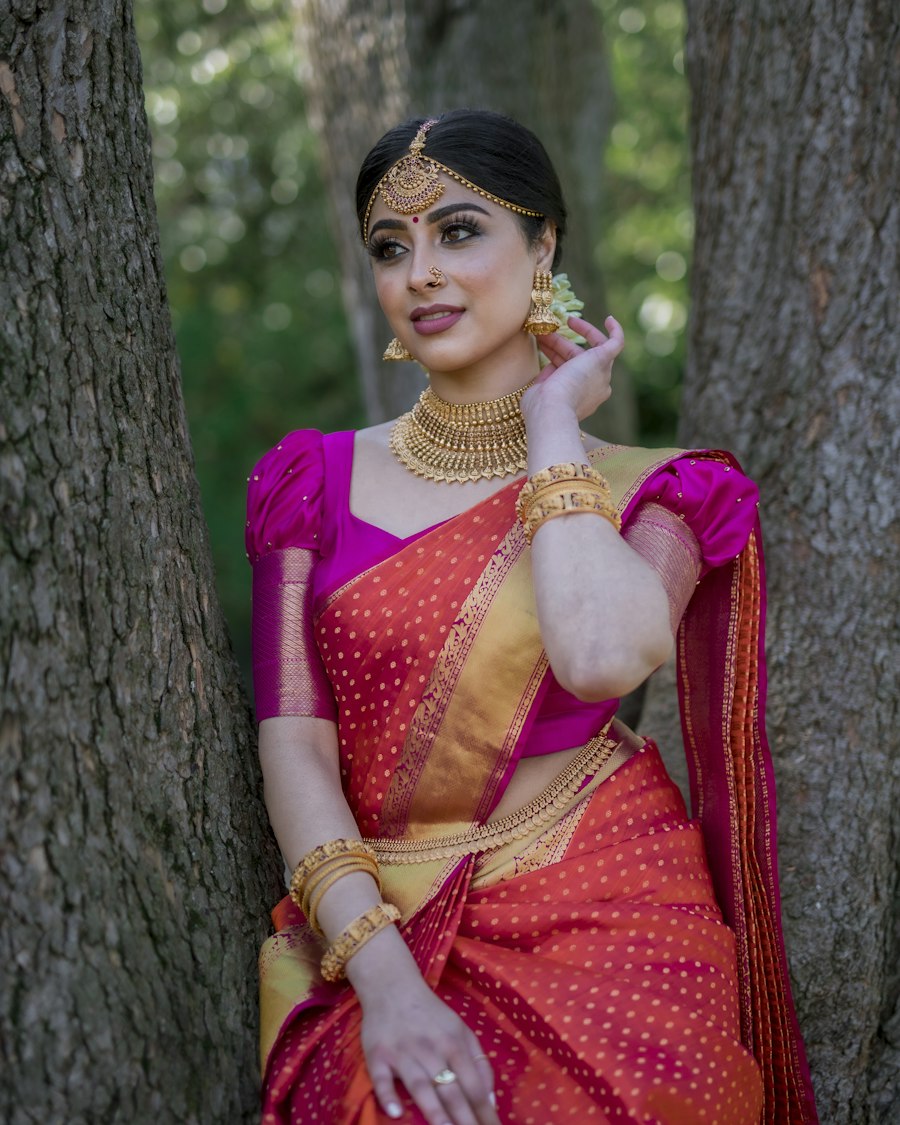
Every Indian wedding wardrobe dreams of one great silk saree. Kanjivaram and Banarasi are the two most celebrated, and while both are luxurious, they are wonderfully different.
Kanjivaram: the queen of the South
Woven in Kanchipuram, Tamil Nadu, Kanjivaram sarees use heavy mulberry silk with a distinctive weight and sheen. The body and border are often woven separately and joined so firmly they never come apart. Look for bold contrast borders, temple motifs, peacocks and checks.
Banarasi: the poetry of Varanasi
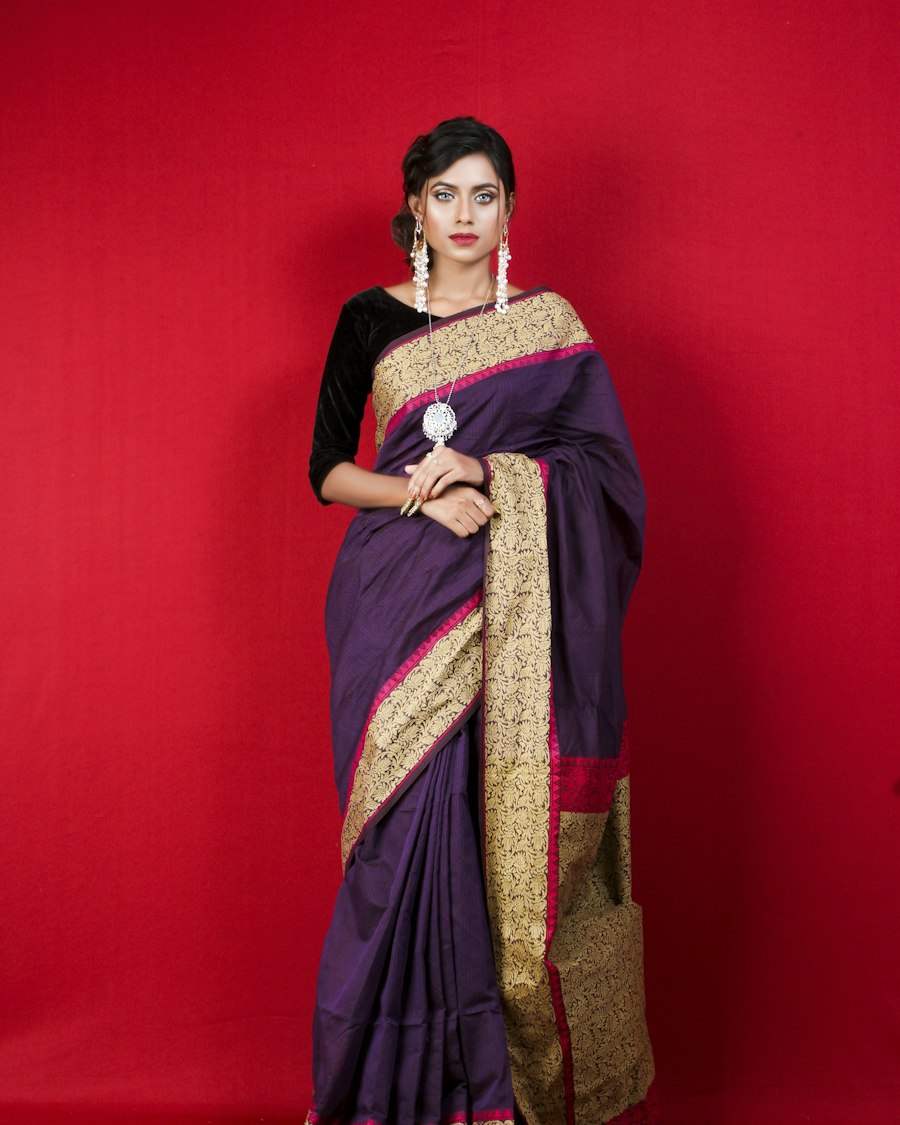
Banarasi sarees are known for intricate brocade work, with gold and silver zari forming Mughal-inspired florals, jaal patterns and delicate buttis. They drape more softly and feel lighter on the body.
How to choose
- For a structured, regal look: Kanjivaram.
- For softer drapes and all-over ornamentation: Banarasi.
- For hot afternoon ceremonies: lighter Banarasi georgette or a soft silk Kanjivaram.
Caring for heirloom silk
Dry clean only, store wrapped in muslin and refold every few months so creases don't set in the zari. With care, these sarees last generations.
Discover our handpicked silk sarees, each sourced directly from weaving clusters.